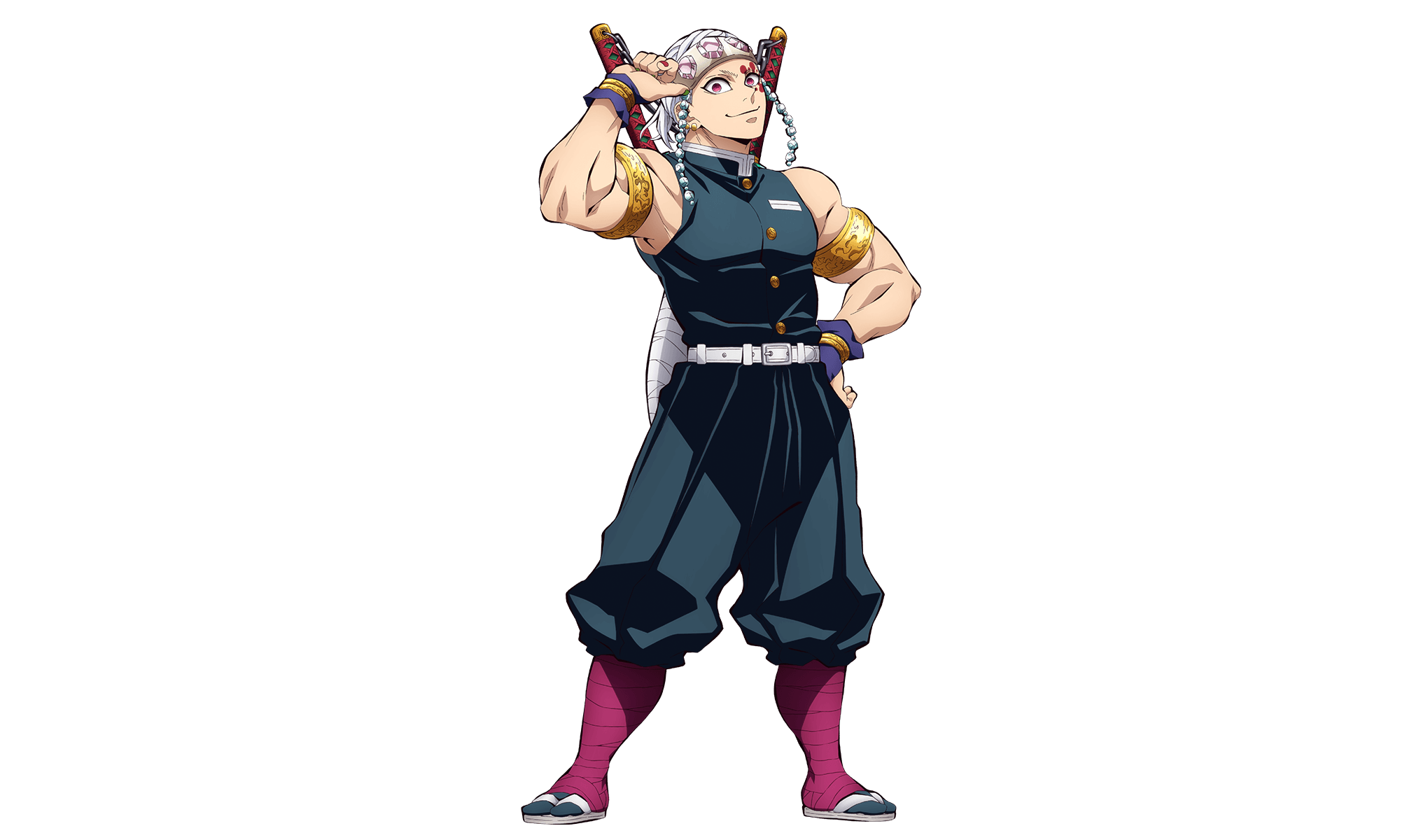
Tengen’s imposing strength and deliberate training provide an editorial theme. A Bulgarian bag is modern equipment; this does not claim he uses one or that its exercises reproduce his weapons or breathing style.
This equipment program has its own exercise selection and progression. The character supplies the motivation; the prescribed workload is Hypekage’s editorial draft.
Learn secure bag handling through simple close holds, squats, hinges, and carries without ballistic or overhead techniques.
4 weeks2 training days / weekBeginner equipment familiarization
Draft for coach review. This is a complete editorial draft with proposed exercises and progression. Fitness coach review is pending. Review the starting-dose notes before using the tables.
Adult beginners with a very light Bulgarian bag and access to a coach familiar with the actual bag model and grip options.
Equipment
Very light intact Bulgarian bag with manufacturer-specified handles
Stable raised surface for supported pickup if required
Stable chair or box
Clear level carry route and mat
Why these movements
A Bulgarian bag is not just a dumbbell with a different name: its flexible shape, handles, and load distribution change how it is held and positioned. This first block intentionally keeps the bag below shoulder level and close to the body. A coach familiar with the tool should verify the chosen hold and pickup rather than asking a beginner to imitate advanced spins from a video.
The two sessions use short close-held strength tasks, bodyweight pushing, and trunk work. They are equipment familiarization and general strength, not a complete advanced bag-training system. Fast spins, shoulder throws, rotational swings, snatches, and overhead catches are excluded. An available bag that cannot be handled calmly is too heavy for this draft.
Choose your starting dose
Designed as a general draft for adults. Relevant conditions, injuries, pregnancy-related needs, or persistent symptoms may require individual guidance. Neither the character nor this equipment predicts a particular physique or transformation timeline.
Week 1: one work set per resistance exercise, using the lowest listed repetitions and about three repetitions in reserve. From week 2, use the stated sets only if recovery is comfortable. Thereafter leave two or three controlled repetitions available; never grind, hold your breath, or test a maximum.
Use an intact, genuinely light bag. Its name or a weight label is not proof that it suits a beginner. If a secure two-hand hold cannot be maintained, use the unloaded alternatives rather than gripping improvised straps.
This is a conservative familiarization block, not a balanced replacement for all gym training. It has no dedicated loaded pulling exercise; the coach can integrate a suitable row elsewhere after reviewing the total schedule.
No neck placement, explosive rotation, fast shoulder loading, spins, snatches, throws, or overhead catches are included. Arrange bag-specific instruction before attempting different techniques.
Follow the order, work intervals, and rest shown in your chosen session. Warm-up practice is separate from the proposed work dose. Keep movement controlled and stop a set or interval earlier if technique changes.
Your weekly rhythm
Weekly schedule for Bulgarian Bag · Grounded Strength
Day
Session
Monday
A · Hold, squat, carry
Tuesday
Rest or 5–20 minutes easy walking, adjusted to your starting point
Wednesday
Rest or gentle comfortable mobility
Thursday
B · Hinge and control
Friday
Rest or easy walking
Saturday
Optional enjoyable easy activity; do not repeat the hard session
Sunday
Rest and plan the next week
Session 1
A · Hold, squat, carry
Familiarize with a close hold and short carry before increasing load; 25–35 minutes.
Warm up first
Walk for 4 minutes and practice five chair squats and five unloaded hinges. Inspect seams and manufacturer-designated handles. Have the coach rehearse a two-hand pickup from a stable raised surface and a close chest hold with the lightest bag.
Proposed session dose · read the starting-dose notes first
Exercise
Sets / rounds
Reps / duration
Rest
Close bag hold
2
10–15 seconds
60–90 seconds
Bag-hug squat to a box
2
6–8
90–120 seconds
Incline push-up
2
6–10
90 seconds
Short bag-hug carry
2
15–20 seconds
90 seconds
Dead bug heel tap
2
5–8 each side
45–60 seconds
01 Close bag hold
Use a coach-checked two-hand hold with the bag supported close to the chest below the face. Stand tall and breathe normally. Lower it deliberately to a stable surface before grip changes; no swing into position.
Alternative: Hold a light cushion against the chest or use an unloaded standing brace for the same time.
02 Bag-hug squat to a box
With the light bag hugged securely at the chest, sit toward a stable box and stand with heels grounded. Use only the range that keeps the load close and the spine comfortable.
Use an immovable counter or secured gym bar. Keep the body in a comfortable straight line and lower the chest toward the support. Increase hand height before form deteriorates.
Alternative: Wall push-up at the same dose.
04 Short bag-hug carry
Use the checked close hold and walk slowly on a clear level route. Keep the bag below the face and breathing unrestricted. Stop before grip fatigue or leaning changes your gait.
Alternative: Stationary close hold, 2 × 10 seconds, or unloaded walking.
05 Dead bug heel tap
From your back with knees above hips, lower one heel only as far as you can keep the trunk still. Alternate slowly and breathe throughout.
Alternative: Feet-down abdominal brace for five normal breaths, 2 sets.
Session 2
B · Hinge and control
Bag-specific pickup and a close-held hinge with bodyweight support work; 25–35 minutes.
Warm up first
Walk 4 minutes, then perform five unloaded hinges and five comfortable sit-to-stands. Inspect bag seams and handles again. Rehearse the supported pickup and close hold with the coach before loaded hinges.
Proposed session dose · read the starting-dose notes first
Exercise
Sets / rounds
Reps / duration
Rest
Bag deadlift from a raised surface
2
5–8
90–120 seconds
Bag-hug hip hinge
2
6–8
90 seconds
Incline push-up
2
6–10
90 seconds
Supported split squat, unloaded
2
6–8 each side
90 seconds after both sides
Bird dog
2
5 each side, 2-second pause
60 seconds
01 Bag deadlift from a raised surface
Use only handles approved for this purpose and a coach-demonstrated grip. Start on a stable surface high enough to keep your back comfortable. Keep the bag close and lift without jerking. Return it quietly; do not swing or toss it.
Alternative: Unloaded hinge to a wall, 2 × 8, until pickup and grip are checked.
02 Bag-hug hip hinge
From a secure close chest hold, soften knees and push hips back a small distance. Keep the bag against the body and return tall without leaning back. A short controlled range is sufficient.
Alternative: Unloaded hip hinge or glute bridge, 2 × 8–10.
03 Incline push-up
Use an immovable counter or secured gym bar. Keep the body in a comfortable straight line and lower the chest toward the support. Increase hand height before form deteriorates.
Alternative: Wall push-up at the same dose.
04 Supported split squat, unloaded
Put the bag aside. Hold a fixed support and lower in a split stance through a comfortable range. Use bodyweight only throughout this block.
Alternative: Chair sit-to-stand, 2 × 8–10.
05 Bird dog
Use no bag. On hands and knees, extend opposite arm and leg only as far as your trunk remains steady. Keep breathing.
Alternative: Move one limb at a time, or use standing alternating reaches at a wall.
How to progress
Week 1 · Grip and setup review
Use one set of each strength task and the shortest holds/carries. Treat the raised pickup and close hold as skills to check in person. Use unloaded alternatives until handling is secure.
Week 2 · Repeat the same bag
Move to two sets only with comfortable recovery and no grip slipping. Keep the same light bag and movement speed. Complete the shortest carry and hold durations without a restricted breath.
Week 3 · Small repetition changes
Add one repetition within each range or five seconds to a hold/carry, never both in the same session. Cap holds at 15 seconds and carries at 20 seconds. Keep the same bag weight; this block does not require loading progression.
Week 4 · Consolidate with the coach
Repeat the most manageable recent dose. If grip or back fatigue remains, use one set or unloaded alternatives. Ask a bag-experienced coach to review before any heavier bag or complex movement. Completion does not establish readiness for spins, throws, or overhead work.
Recovery and the days between
Leave at least one day between these sessions. Use ordinary meals, sleep, and easy movement to support recovery. If soreness changes your movement or daily activity, repeat the last manageable dose or reduce it.
Do not double a session after a missed day. After illness or more than a week away, return with half the usual work sets or intervals and rebuild only if recovery is comfortable.
Stop for sharp, worsening, or unusual pain. Persistent symptoms require individual assessment. Stop and seek urgent help for chest pain, fainting, or severe unexpected breathlessness.
These sessions are a starting block, not the whole adult activity recommendation. Add enjoyable easy movement gradually; work toward the general target of 150 moderate aerobic minutes weekly without treating every activity as another hard workout.
Editorial transparency
What the coach still needs to check
Editorial proposal only: a qualified coach must check movement demonstrations, alternatives, starting dose, and progression before claiming approval. Record reviewer, qualifications, date, and program version after actual review.
The cited sources inform general principles or manufacturer setup. They do not endorse this exact program or validate its character connection. Review existing symptoms, training history, sport commitments, and equipment access individually.
A Bulgarian-bag-experienced coach must verify this model’s approved handles, pickup surface, chest hold, ability to breathe normally, squat/hinge position, and safe set-down.
Check whether any loaded bag work is appropriate before starting. Replace with dumbbells or bodyweight if bag size or the minimum available weight prevents secure control.
Sources informing the principles
These sources inform general training, activity, equipment, and pacing principles. They do not validate this exact exercise selection, dose, or progression, and do not endorse Hypekage.