01 Supported split squat
Hold an immovable support, take a split stance and lower vertically through a comfortable range. Keep the front foot grounded; use bodyweight before load.
Alternative: Chair squat, 8 repetitions.
Cha Hae-In’s role as a hunter brings another skilled presence to Solo Leveling’s world. Her character offers motivation to define your own direction.
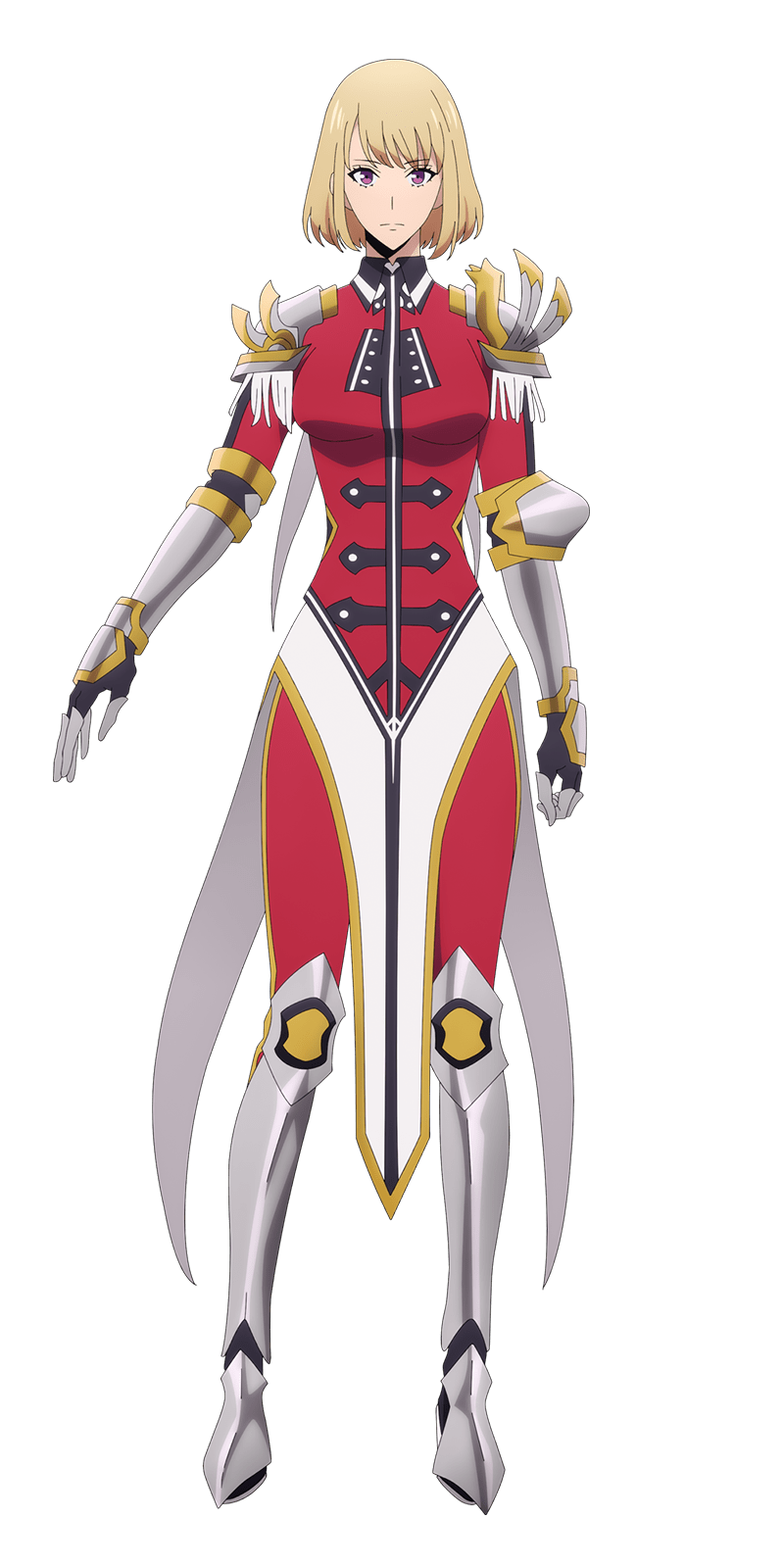
THE CHARACTER BEHIND THE MOTIVATION
Jinwoo’s encounter with the System changes the course of his life as a hunter. The idea of visible growth provides a story metaphor for recording real progress, without treating fictional quests as exercise instructions.
Choose a performance skill you want to learn with qualified guidance.
Use this as a starting point for choosing your own goal. Character artwork and supernatural abilities cannot predict your physique or rate of progress.
Character and story reference: Solo Leveling Official — Character directory ↗Your direction / Strength
Build useful strength and balance without promising a hunter’s drawn physique.
The official profile identifies Cha Hae-In as a high-ranking hunter. Balanced movement is our thematic interpretation, not a canonical workout or sword lesson.
Single-leg control and upper-body strength
Draft for coach review. This is a complete editorial draft with proposed exercises and progression. Fitness coach review is pending. Review the starting-dose notes before using the tables.
Use support for split squats when needed. Carries require an unobstructed level route and a load you can set down calmly.
The official profile identifies Cha Hae-In as a high-ranking hunter. Balanced movement is our thematic interpretation, not a canonical workout or sword lesson.
Build useful strength and balance without promising a hunter’s drawn physique.
A split stance and row emphasize support and controlled pulling.
A complementary squat and push session develops the other basic patterns.
For adults only as a general editorial draft. Review existing symptoms, relevant conditions, experience and total sport workload with a qualified coach before choosing a block.
Use support for split squats when needed. Carries require an unobstructed level route and a load you can set down calmly.
Week 1: use one work set per resistance movement and the lowest interval or skill dose shown. Later set counts are proposed targets only after manageable recovery. Keep two or three controlled repetitions available and never test a maximum.
Use the listed alternative if a movement or impact task is unsuitable. If neither version is appropriate, have your coach replace it. Do not imitate supernatural loads, forced stretching, waterfall exposure, head impacts or loose-rock lifting.
Follow the order, work intervals, and rest shown in your chosen session. Warm-up practice is separate from the proposed work dose. Keep movement controlled and stop a set or interval earlier if technique changes.
| Day | Session |
|---|---|
| Monday | Cha Hae-In · Balanced Athletic Strength — base practice |
| Tuesday | No additional session from this block |
| Wednesday | Rest or ordinary easy activity |
| Thursday | Cha Hae-In · Balanced Athletic Strength — complementary practice |
| Friday | No additional session from this block |
| Saturday | Rest or existing coached practice, without adding another full plan |
| Sunday | Review the log and prepare the next week |
A split stance and row emphasize support and controlled pulling.
Walk or march easily for 4–5 minutes, then rehearse five comfortable sit-to-stands, five unloaded hinges and gentle shoulder circles. Before loaded movements use a light practice set. Before any landing task, rehearse a quiet step-and-stop first; omit jumping if control or comfort is uncertain.
| Exercise | Sets / rounds | Reps / duration | Rest |
|---|---|---|---|
| Supported split squat | 2 | 6 each side | 90 seconds after both sides |
| Supported dumbbell row | 2 | 8 each side | 90 seconds |
| Dumbbell floor press | 2 | 8 | 90 seconds |
| Light suitcase carry | 2 | 20 seconds each side | 75 seconds |
| Supported ankle rock | 2 | 6 each side | 30 seconds |
Hold an immovable support, take a split stance and lower vertically through a comfortable range. Keep the front foot grounded; use bodyweight before load.
Alternative: Chair squat, 8 repetitions.
Brace one hand on an immovable bench. Keep the trunk still and pull a light dumbbell toward the hip without twisting. Lower slowly.
Alternative: Seated row machine adjusted by an instructor.
Use light weights and a setup your coach has checked. Lie on a mat, lower upper arms gently to the floor and press without bouncing or holding your breath.
Alternative: Incline push-up at an appropriate height.
Carry one manageable weight at your side on a clear route. Stay upright without leaning and change hands after a controlled set-down.
Alternative: Stationary supported march without load.
With both feet supported, move the knee gently toward the toes while the heel stays grounded. Use comfortable range; do not force an end position.
Alternative: Seated ankle pumps.
A complementary squat and push session develops the other basic patterns.
Walk or march easily for 4–5 minutes, then rehearse five comfortable sit-to-stands, five unloaded hinges and gentle shoulder circles. Before loaded movements use a light practice set. Before any landing task, rehearse a quiet step-and-stop first; omit jumping if control or comfort is uncertain.
| Exercise | Sets / rounds | Reps / duration | Rest |
|---|---|---|---|
| Goblet squat | 2 | 8 | 90 seconds |
| Dumbbell Romanian deadlift | 2 | 8 | 90–120 seconds |
| Light band pull-apart | 2 | 10 | 60 seconds |
| Supported single-leg balance | 2 | 20 seconds each side | 45 seconds |
| Dead bug heel tap | 2 | 5 each side | 60 seconds |
Hold a manageable dumbbell or kettlebell close to the chest. Sit between the hips through a comfortable depth; keep breathing and stand smoothly.
Alternative: Unloaded chair squat with the same repetition target.
Hold light dumbbells near the thighs. Soften knees, move hips back and stop before trunk position changes. Keep weights close and stand without leaning back.
Alternative: Unloaded hinge to a wall.
Hold a light intact band below shoulder height. Separate hands only as far as comfortable without shrugging or arching; control the return.
Alternative: Wall slide without band tension.
Stay beside a fixed support and lift one foot only slightly. Use fingertip support as needed and return it to the floor before balance is lost.
Alternative: Split-stance balance with both feet grounded.
Lie on a mat with knees bent above the hips. Lower one heel only as far as the trunk remains comfortable and still; alternate slowly while breathing.
Alternative: Feet-down abdominal brace for five normal breaths.
Use one work set per resistance movement and the lowest listed repetitions. Practice Single-leg control and upper-body strength slowly. Record exercise variation, effort and next-day recovery; leave about three controlled repetitions available.
Use the listed two sets only if the first week was comfortable. Keep the same manageable load and easy conditioning duration. A repeated clean session is progress; do not add sport practice on top without accounting for it.
For resistance movements completed at the top of the range with two or three repetitions available, increase the load by the smallest available step and return to the lower repetitions. Otherwise repeat week 2. Do not increase jumps, running and lifting together.
Keep week 3 settings. Review Single-leg control and upper-body strength with your coach and compare controlled repetitions, consistency and recovery with week 1. Reduce a set when sport workload rises. Do not end with a maximum-strength or exhaustive-conditioning test.
These sources inform general training, activity, equipment, and pacing principles. They do not validate this exact exercise selection, dose, or progression, and do not endorse Hypekage.
BEFORE YOU START
The official profile identifies Cha Hae-In as a high-ranking hunter. Balanced movement is our thematic interpretation, not a canonical workout or sword lesson. The sessions and progression are Hypekage’s proposed adult practice block, not a canon prescription.
Build useful strength and balance without promising a hunter’s drawn physique. The exact appearance of a stylized character is not a predictable training outcome.
Check the full equipment list, the starting-dose notes and 2-day weekly schedule with your coach. The 4-week draft includes progression and alternatives but has not yet been coach-approved.
Official scene clip
Published by Crunchyroll. May include scenes beyond this page’s focus.
KEEP EXPLORING